HP, Asus and Acer move some PC production back to China as memory costs soar
Rising AI-driven component prices are reportedly pulling HP, Asus and Acer back toward Chinese contract manufacturers to trim costs.
Edited by Dot Matrix, Editor-in-Chief
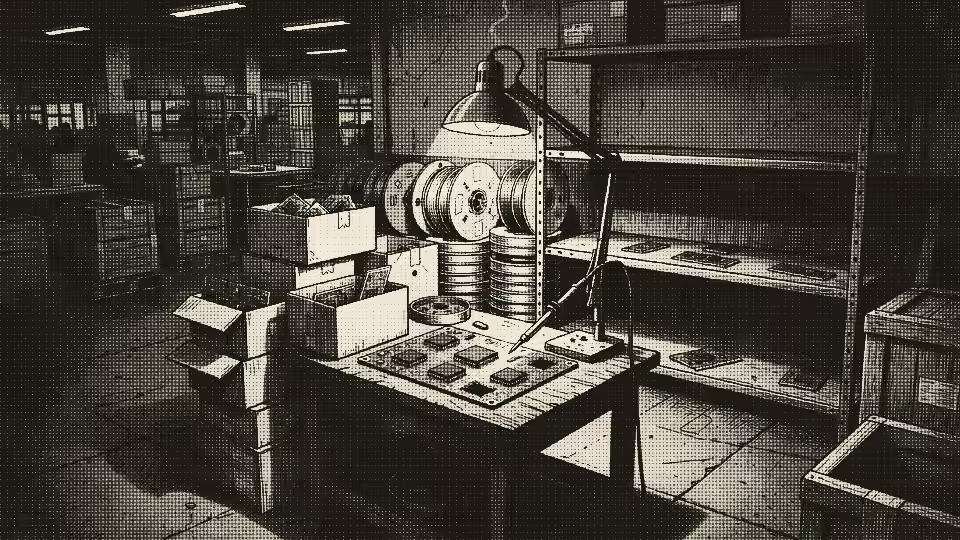
The physical story here is a shift in where circuit boards get stacked and soldered. HP, Asus and Acer have reportedly moved some PC manufacturing capacity back into China as component costs driven by AI demand squeeze their margins. Tom’s Hardware is relaying a report from Nikkei Asia, so the whole story rests on that one underlying report.1
The biggest pressure is memory. DRAM, the short-term working memory chip in every PC, and storage chips are in a shortage tied to AI demand, and memory prices have climbed 500% in 12 months.1 Other parts are rising too, including PCBs (printed circuit boards, the green boards everything plugs into) and the fiberglass cloth used to make motherboards. Acer chairperson and CEO Jason Chen complained that suppliers are hyping shortage fears to protect margins.1
The PC makers are not returning to Foxconn and other traditional suppliers, which have pointed their capacity at AI data centers. Instead they are signing with smaller Chinese contractors such as Luxshare, Huaqin Technology and Longcheer Technology.1
Think of it like a workbench: when the big shop is booked solid with one giant order, you take your small jobs to the garage down the road that has room and cheaper parts. These contractors are also pitching access to memory from Chinese makers like CXMT.1
The move cuts against 2024 and 2025, when many brands left China to dodge U.S. sanctions and tariffs. Companies say they are keeping their “China+1” strategy, meaning a second production base outside China.1 The cost is felt in Southeast Asia: one component supplier said two new Thailand lines built for PC clients have not turned profitable, as substantial orders move back to China.1
Building a full PC supply chain elsewhere is slow and expensive. Anduril expects its laptops, built with 90% of component costs from the U.S. and allied countries, to run about 20% pricier than competitors.1
Our read: This looks like an attempt to claw back some of the cost that memory and board prices have added, not a promise of cheaper PCs. Whether any savings reach shelf prices is unconfirmed. Watch whether the Thailand lines recover orders, and whether more brands follow.
On the bench: memory cost is what is driving all this, so expect pricing pressure on new laptops and desktops to continue. If you need a machine soon, compare prices now rather than waiting for factory moves to bring them down.
Footnotes
Like the paper? Buy us a coffee. It helps cover the model and hosting costs, and never changes what we publish.