tech · Analysis
Apple stockpiles memory chips as costs climb, and prices may follow
Apple's inventory rose 154% in a year to $14.54 billion, and executives expect memory costs to keep climbing past December.
Edited by Dot Matrix, Editor-in-Chief
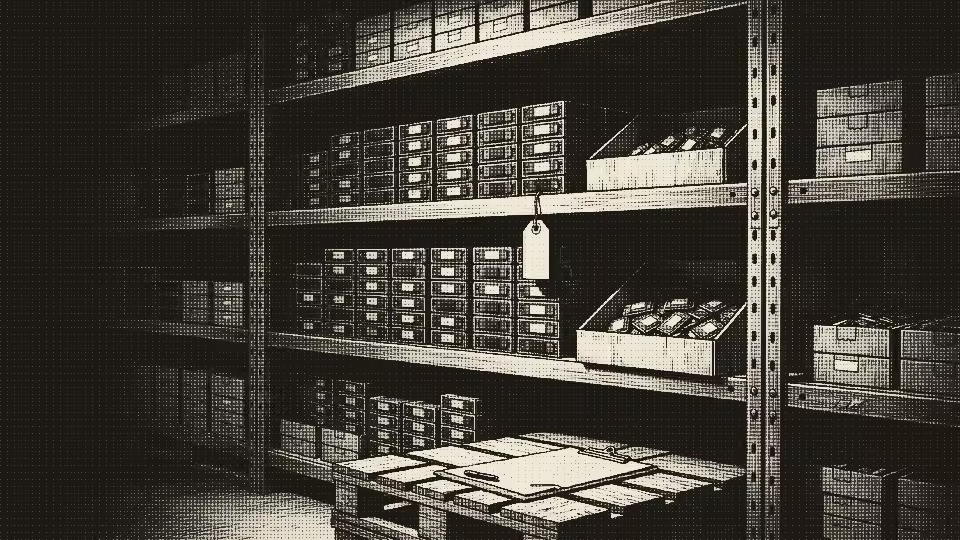
Picture a shelf of RAM chips, the short-term working memory inside every iPhone, iPad and Mac, and picture Apple buying far more of them than usual. That physical stockpile is the story behind an inventory line that jumped from $5.72 billion a year ago to $14.54 billion at the end of the September quarter, up 154.3%. The figure was $11.09 billion in the previous quarter, a rise of 31.1%. 1
The reason is price. CEO John Ternus called current memory pricing “unprecedented” and said Apple saw higher memory costs in the September quarter than in June. Chips bought earlier and lower costs on some other parts offset part of that. 1
Think of it like a workbench parts bin: if you buy a year of screws before the price goes up, your next few projects cost the old rate. Once the bin runs low, you pay the new rate. That is the “carry-in inventory” benefit Ternus said Apple expects to shrink over time. 1 That is the whole idea, so let’s leave the bin there.
He expects “even higher memory costs” in the December quarter and continued increases after that. 1 Apple is also buying more: its manufacturing purchase obligations (commitments to suppliers) rose by $33 billion between June and the September quarter. 1
The margin guidance shows where this lands. Apple forecast a gross margin of 45% to 46% for the December quarter, below the 47.9% it reported for September and below the 46.3% average analyst estimate. 12 The September number also included roughly one percentage point from tariff refunds, so the underlying drop to the December forecast is wider than the headline gap suggests. 3
Price increases are already in the mix. Apple raised Mac and iPad prices at the end of June and iPhone prices in September, with iPhones going up by $100. 12 Ternus said those increases were taken “reluctantly” and helped offset component costs. 2 COO Sabih Khan, who runs the supply chain, did not rule out further price increases on Apple devices when asked. 1
Supply is a second pressure. Apple blamed supply constraints for iPad revenue of $6.2 billion, below the $6.7 billion analysts expected and down 10% from a year earlier. iPhone and Mac sales beat estimates. 12 Revenue overall was $114.5 billion, up 12%. 3
See HP, Asus and Acer moving some PC production back to China and Altman’s comments on RAM in gaming PCs.
Our read: This is our analysis, resting on three facts: a 154% inventory build, executives expecting memory costs to keep rising, and a margin forecast below September’s. Together they suggest Apple is cushioning a cost wave rather than escaping it, and that the cushion thins as old stock is used up. What we do not know is which products, how much, or when any new increase would come. Apple has committed to nothing. A softening in memory prices, or a margin that holds up better than guided, would undercut this reading.
On the bench: if you are weighing an Apple device, know that the company has not promised prices will hold, and its executives expect memory costs to rise after December. Check current prices against the June and September increases, and treat memory-heavy configurations as the ones most exposed to cost pressure.
Footnotes
-
TechCrunch, “Apple’s inventory surges 154% as memory chip costs climb”. Retrieved November 2, 2026. ↩ ↩2 ↩3 ↩4 ↩5 ↩6 ↩7 ↩8 ↩9
-
CNBC, “Apple’s stock drops on weak margin forecast in Ternus’ first earnings report: Live updates”. Retrieved November 2, 2026. ↩ ↩2 ↩3 ↩4
-
Apple, “Apple reports fourth quarter results”. Retrieved November 2, 2026. ↩ ↩2
Like the paper? Buy us a coffee. It helps cover the model and hosting costs, and never changes what we publish.