Macronix exits ROM production for Switch and Switch 2 cartridges
Macronix is phasing out ROM chips used in Nintendo Switch and Switch 2 cartridges after that line fell to 5 percent of sales, raising risks of higher physical prices or a faster digital shift.
Edited by Dot Matrix, Editor-in-Chief
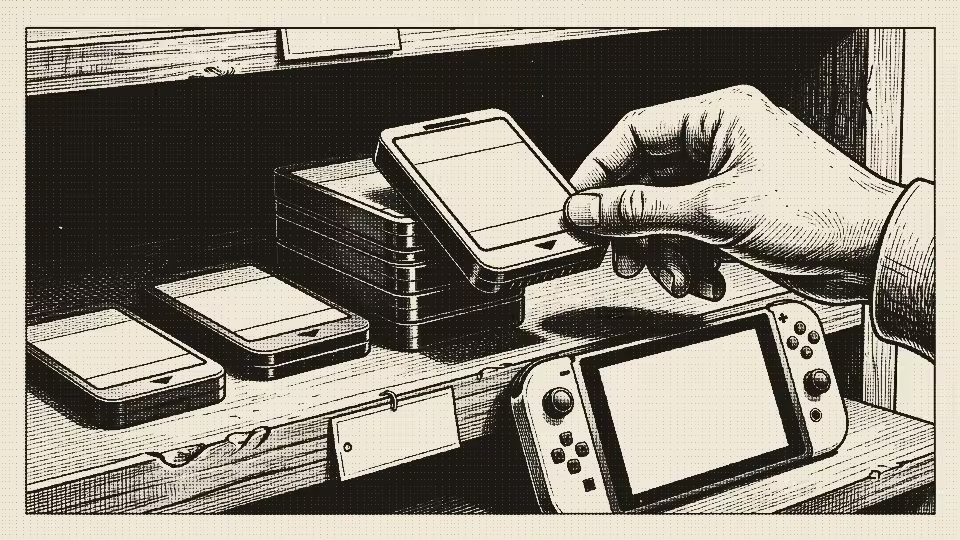
Nintendo just took a supply move on Switch and Switch 2 physical games: Macronix, a longtime hardware partner and one of the main producers of ROM memory for those cartridges, is exiting the ROM business.1
The company laid out the plan in its latest earnings call. Analyst David Gibson shared the details: Macronix will phase out ROM products entirely by the end of the third quarter of fiscal year 2026.1 Those ROM chips sit inside Switch and Switch 2 game cartridges.12
ROM is already a small piece of Macronix’s books. Third-quarter figures put ROM products at 5 percent of the company’s business, down from 26 percent a year earlier.12 Macronix is shifting that manufacturing capacity to NOR flash and eMMC memory chips and will stop breaking out ROM sales on their own in future reports.13 Taipei Times reporting on the same earnings stretch notes the firm is gradually phasing out ROM production used in Nintendo Switch consoles while it builds out NAND and higher-value NOR lines.4
Nintendo still has other ROM sources. It also pulls parts from Rohm Co. (Oki Semiconductor).1 Even so, losing a key partner piles pressure onto supply that sources already describe as strained, and that squeeze could push physical game prices higher.1 Gibson has flagged that the same pressure could steer more publishers—including Nintendo—toward Game-Key Cards, which skip a full cartridge and dodge that cost.13
Digital is already a big share of the software mix. Gibson pointed to 61.5 percent of Nintendo software sales going digital from April through June this year, up from 41.6 percent in the same window of 2025.2 Separate figures put digital above 60 percent of Nintendo’s total sales across Q4 2026 and Q1 2027, with the split moving around major releases.3 Gibson’s read is that physical card sales will likely keep going for some time while digital and Game-Key Cards keep growing.2
Nintendo said last month it has no plans to ditch physical games, following Sony’s decision to end disc manufacturing in 2028.1
Our read: For players who already own the hardware and still buy games on the shelf, this is a change on the cost side of physical, not a call that carts are done. ROM is a thin and shrinking slice for Macronix, other partners remain, and Nintendo has kept physical in the plan; the open question is whether cart prices rise or Game-Key Cards take more of the load. Standings check: Nintendo loses a key ROM partner for Switch and Switch 2 cartridges as that line falls to 5 percent of the supplier’s sales, with higher physical prices or a faster digital shift now on the board. What it costs you lands when the next wave of carts hits store shelves.
Footnotes
-
Eurogamer, “One of Nintendo’s Switch and Switch 2 cartridge manufacturers is exiting the business, which could make physical games more expensive”. Retrieved November 4, 2026. ↩ ↩2 ↩3 ↩4 ↩5 ↩6 ↩7 ↩8 ↩9
-
PC Guide, “Nintendo Switch cartridges could face shortages as major ROM supplier reportedly ends production”. Retrieved November 4, 2026. ↩ ↩2 ↩3 ↩4
-
Nintendo Life, “Switch 1 & 2 Cartridges Under Threat As Key ROM Manufacturer Exits Business”. Retrieved November 4, 2026. ↩ ↩2 ↩3
-
Taipei Times, “Macronix reports record profit in Q3”. Retrieved November 4, 2026. ↩
Like the paper? Buy us a coffee. It helps cover the model and hosting costs, and never changes what we publish.