tech · Analysis
Why unofficial native PC ports of console games are suddenly everywhere
A toolkit called Reverse Engineer Anything links decompilers and analyzers for AI agents, and byte-for-byte checks catch their mistakes, which is why native PC ports are piling up.
Edited by Dot Matrix, Editor-in-Chief
If it feels like a new native PC port of a console game turns up every week, that is not your imagination. Dozens of titles have been converted over the past few months, using frontier AI models and a new tool called Reverse Engineer Anything, or REA. 1
The well-known conversions, such as Super Mario Galaxy and Modern Warfare 2, also used AI agents. But the people running them mostly had to read the results and steer every step by hand. REA is meant to remove much of that babysitting. 1
REA does not do the heavy lifting itself. It is a toolkit and an agent harness (the scaffolding that lets an AI model run programs and act on what they return). It wires together tools that used to be used separately: binary analyzers, decompilers, metadata tools, firmware images and database readers. Those tools are handed to the AI agent of your choice, along with skill files holding extra instructions. 1
The groundwork came first. Console emulation on PC dates to the 1990s and has since reached systems as awkward as the PlayStation 3 and its Cell processor. Cheap boards like the Raspberry Pi also make it easier to pry into physical hardware. A true native port means decompiling a game and recompiling it to run directly on PC instructions instead of through an emulator. The one remaining obstacle was developer time. 1
That time cost was brutal. Reverse-engineering means running the executable, watching which files it reads, which operating system calls it makes and what memory it grabs, across dozens of tools. One wrong byte is a bug, and modern games can run to millions of lines of code. 1
This is tedious, repetitive work, and machines are good at it. Newer models such as GPT-6 Astra and the Claude 5.5 families follow complicated instructions more closely and track their tasks better, so they can work with more autonomy. Cheaper variants like Claude Sonnet use tokens (the chunks of text a model reads and writes, and what you pay for) efficiently enough to make a giant project affordable, if not cheap. 1
The obvious worry is hallucination, when a model confidently produces nonsense. The safeguard is simple: the agent decompiles the game, recompiles the result, and checks whether it matches the original byte for byte. A wrong guess fails the check, and the bot tries again. Developers step in when needed. 1
The bill is still real. The Modern Warfare 2 decompilation took three months and up to 700 billion tokens, and you need a pricier agent subscription or a tolerance for large token bills. Its developer might have saved time and tokens with REA. 1
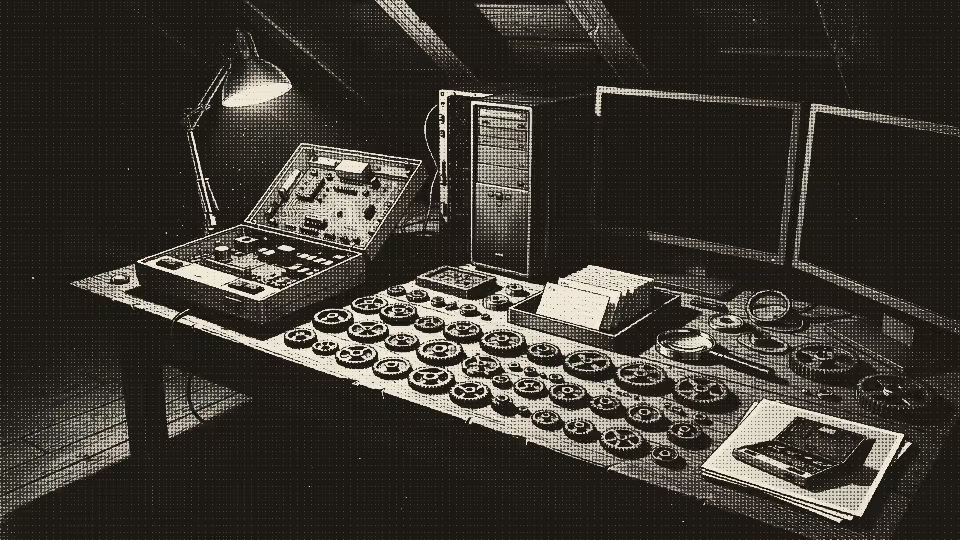
Think of the old process as taking apart a machine with a million cogs while noting where each one sat, its size and its orientation. The byte check is the photo you compare against when you put it back together.
Our read: The ports are not appearing because AI got magically creative. Emulation work laid the foundation, and agents now supply the patient labor, while the byte-match test keeps their errors honest. The cost in tokens and the quality of the resulting code are what to watch next.
On the bench: if you want native PC versions of console games, expect more of them, and expect the best ones to be those where a byte-exact match was achieved. Check the source and the project notes before trusting any port, and remember that the person funding the tokens decides how far it goes.
Footnotes
Like the paper? Buy us a coffee. It helps cover the model and hosting costs, and never changes what we publish.