Supermarket cooling systems in four European countries report suspected hacks
Stores in Belgium, Sweden, Luxembourg and Estonia reported sudden fridge and freezer temperature changes, and the full scale of the incident is not yet confirmed.
Edited by Dot Matrix, Editor-in-Chief
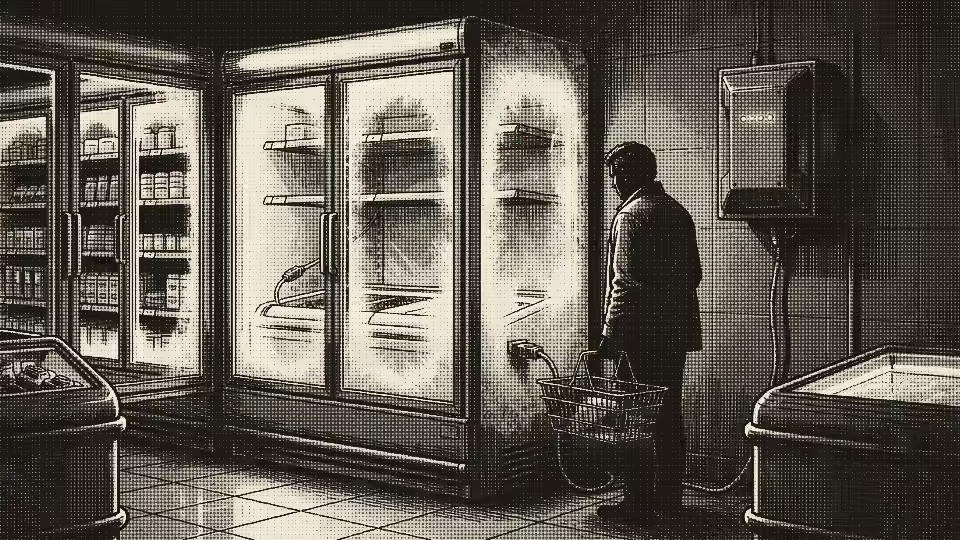
Supermarkets in Belgium, Sweden, Luxembourg and Estonia have reported sudden temperature changes in their fridges and freezers, in what appears to be a fresh wave of cyberattacks on grocery chains. 1
What was affected. One Ica Kvantum store in Sweden said on its Facebook page that its cooling units were hacked overnight and that temperatures were remotely raised to 50 degrees Celsius (122 Fahrenheit). 1 A spokesperson for Swedish chain Coop confirmed that “unauthorized actors were able to access and tamper with the cooling systems” at a small fraction of its stores. 1 Dutch retailer Ahold Delhaize attributed the changes to an “IT incident” that altered the temperature of refrigeration units in dozens of its supermarkets in Belgium and Luxembourg. 1
Why a freezer is on the internet at all. Many modern supermarket fridges and freezers connect to the internet so that technicians can maintain them remotely and so that stores get alerts when a unit fails. 1 That convenience is also a door. Anyone who gets through it can, in principle, reach the settings behind it.
Not the first time. The incident follows an apparent cyberattack last month on hundreds of French supermarket refrigerators, with the resulting food spoilage estimated at millions of euros. 1 A string of freezer malfunctions at US military bases is also suspected to be the result of a cyberattack. 1
Seen it before: remote access added for convenience, discovered later by someone the manufacturer did not invite.
What you should do. Shoppers have little to act on beyond ordinary caution: if a store tells you chilled or frozen stock was affected, follow its guidance. Retailers and anyone running connected refrigeration have a longer list, starting with checking who and what can reach those control systems from outside.
What is unsettled. The count of affected stores, how the attackers got in, and whether the incidents across countries share a cause are all open. The retailers’ early statements describe tampering and an “IT incident” but do not yet explain the method. How minor “a small fraction of our stores” turns out to be is the obvious follow-up question.
Our read: Four countries in one report, plus France last month, makes this look less like a string of isolated glitches and more like a pattern in how connected refrigeration is exposed. That is our analysis, resting on the reported incidents above. It would be undercut if investigators find unrelated causes, such as separate vendor faults, and we do not know yet which systems or vendors were involved. What would settle it is a plain disclosure from the retailers about how access was gained and how many stores lost stock. 1
Footnotes
Like the paper? Buy us a coffee. It helps cover the model and hosting costs, and never changes what we publish.