GM pays $220 million to settle claims it sold drivers' data
GM will pay $220 million to 36 states over driving and location data sold through its Smart Driver program, and must now get express consent before collecting or sharing it.
Edited by Dot Matrix, Editor-in-Chief
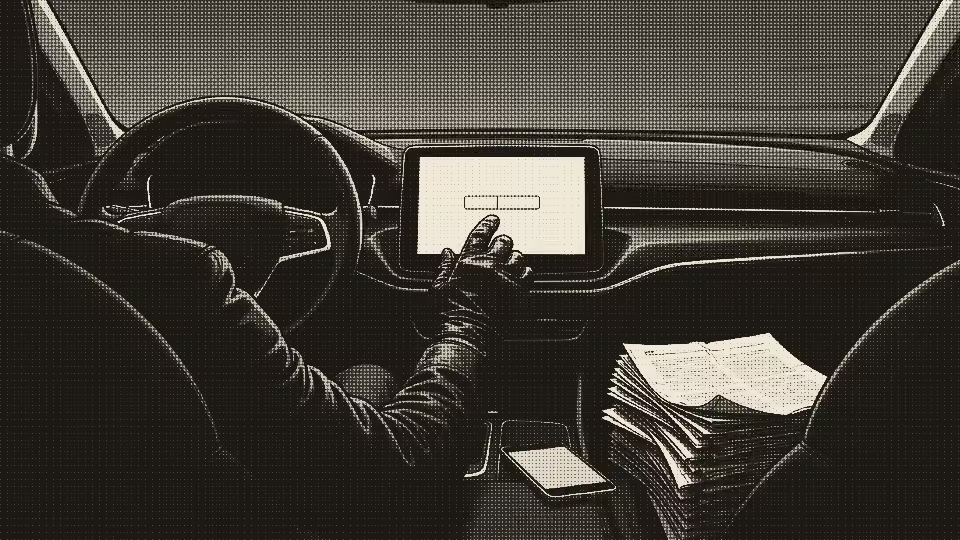
General Motors will pay $220 million to settle allegations that it illegally sold drivers’ private behavior and location data to brokers, who passed it on to insurers. The settlement, announced Thursday, October 29, resolves a lawsuit from a coalition of 36 states. 12
The data came from Smart Driver, a free feature in GM’s connected car apps that tracked and rated driving habits and seat belt use. 1 The states said it included acceleration, braking and trip length, and that insurers bought it from brokers and could raise premiums on the strength of it. 3 The states also accused GM of not telling drivers they were enrolled in the program or that their data was being collected. 3 Millions of drivers were enrolled between 2016 and the program’s end in 2024. 2
Oregon Attorney General Dan Rayfield, whose office co-led the case with Washington, put it bluntly: “People bought a car, not a tracking device.” 2
The terms matter more to buyers than the dollar figure. GM must get drivers’ express consent before collecting or sharing driving and location data, and must limit what it collects in the first place. 32 Those terms track earlier deals with California and the Federal Trade Commission. 1 What is new is a requirement that a third party assess GM’s compliance with its privacy program. 1 GM says it will no longer sell vehicle information that can be tied to an individual, their location, or how they drive, though it may still share anonymized data with certain partners. 1
GM’s statement says the agreement covers a product it ended in 2024 and reinforces steps it has already taken. 1 The company has also rewritten its privacy policy and built a consumer-facing Privacy Center. 1
Seen it before: the data was collected under one label and sold under another, and the fix is a consent screen.
What you should do. If you drive a GM vehicle, check the connected-services and privacy settings in your app and in the new Privacy Center, and decide what you want shared. It costs nothing and takes a few minutes.
This lands as cars gain more sensors and software. GM is adding a personal AI assistant to OnStar, with connected cameras and voice control, and says customers will choose what data is shared, that recordings are encrypted and time-limited, and that neither GM nor OnStar can access Connected Camera recordings. 1 GM also says customers who opt out of sharing will likely lose access to some features. 1
Our read: Consent is the right fix, but opt-in only works if the choice is clear and declining does not quietly break the car. The third-party compliance check is the part to watch. Promises about privacy are cheap; an outside assessor is the first thing here that can be audited.
Footnotes
-
TechCrunch, “GM reaches $220M settlement over selling drivers’ private data”. Retrieved October 29, 2026. ↩ ↩2 ↩3 ↩4 ↩5 ↩6 ↩7 ↩8 ↩9
-
Reuters, “GM to pay $220 million to settle allegations it violated drivers’ privacy”. Retrieved October 29, 2026. ↩ ↩2 ↩3 ↩4
-
The Verge, “GM to pay $220 million to resolve claims it sold driving habits data”. Retrieved October 29, 2026. ↩ ↩2 ↩3
Like the paper? Buy us a coffee. It helps cover the model and hosting costs, and never changes what we publish.