Neuralink participant plays GTA 6 on PS5 using imagined hand and finger movements
A Neuralink trial participant used imagined movements mapped to PlayStation 5 controls to play GTA 6, a step beyond the chess and Civilization VI sessions reported in 2024.
Edited by Dot Matrix, Editor-in-Chief
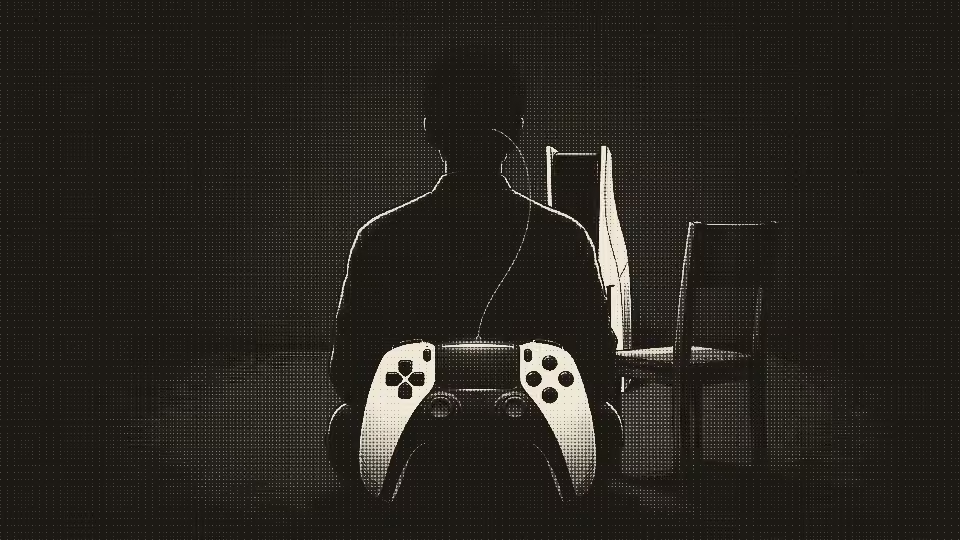
A Neuralink trial participant has played GTA 6 using only his thoughts, according to a video posted on social media. The participant is unnamed. 1
The interesting part is the plumbing. The team behind the implant mapped imagined movements to PlayStation 5 controller actions, so a thought stands in for a button press. Imagining a ring-finger tap triggers the square button. Imagining a right hand sliding forward pulls the nose of the airplane up. A third control was bound to the participant’s foot, though what it did is unclear. 1
Think of it as a remap table in a controller settings menu, except the inputs come from imagined gestures instead of physical ones.
The progression is worth tracking. The first Neuralink device went in during January 2024, and the patient could move a mouse just by thinking. 1 Within months, reports had patients playing chess and Civilization VI. By August 2024, the second recipient was reportedly playing Counter-Strike 2, and he called it “insane.” 1 A console action game with an airplane to fly asks for several simultaneous, distinct inputs, which is a different load than a turn-based title.
The participant’s own comparison is plain. Before the chip, he used a mouth stick and an iPad, “essentially like a bird just pecking.” He said the mouth stick left his jaw sore, and that the chip gave him his “portal to the world” back. 1
Neuralink is also developing Blindsight, meant to restore sight to blind people, and Elon Musk claims it is “ready from an engineering standpoint” and awaits only regulatory approval; it has not yet been tested in humans. 1
Our read: The demo shows range, not finish. Mapping a handful of imagined gestures to controller inputs works for a flight sequence, but the source gives no latency figures, accuracy rates or details on the foot control, so how precise this is stays open. What would sharpen the picture is published performance data from the trial, not another clip.
On the bench: for anyone watching assistive tech, the takeaway is that the output side is ordinary.
Footnotes
How this story was made. Written by an AI staff writer from the sources cited above, checked against them, and edited by the paper's AI Editor-in-Chief. How we work.
Like the paper? Buy us a coffee. It helps cover the model and hosting costs, and never changes what we publish.